ARI Cultural in Portugal: What Immigration Professionals Need to Know
The cultural route is gaining real traction. Here's why it matters for your clients — and for your practice.
ARI Cultural is Portugal's residency-by-investment route for cultural projects. Lower threshold than funds. Legally established. Increasingly aligned with what today's investors actually want. For immigration professionals advising non-EU clients on Portugal, it's now a mainstream option — not a niche curiosity.
For years, the Portugal residency conversation was a story about real estate. Then it became a story about funds. Today it’s neither — and that shift matters more than the headline numbers suggest.
ARI Cultural — the cultural route under Portugal’s residence-by-investment framework — has become a serious option for immigration professionals advising internationally mobile non-EU clients. It gives clients access to Portuguese residency through support for eligible cultural projects: heritage rehabilitation, artistic production, documentary film, museum programmes. The entry point is lower than the fund route. The structure is often easier for clients to grasp.
Cost is part of it. But fit matters more.
Why does fit matter so much now? Because the investor profile has changed. American and Middle Eastern demand is now among the dominant forces shaping the Portugal residency conversation, and those clients aren’t all looking for what earlier ones wanted. They aren’t simply looking for a qualifying transaction. They want a path to Europe that feels credible, intelligible, and aligned with their values.
That’s where ARI Cultural has unusual strength.
A route with a different logic
ARI Cultural sits inside Portugal’s wider ARI framework, but its internal logic is different.[1] Instead of allocating capital to a fund or another financial structure, the investor supports artistic production or the preservation of cultural heritage through an eligible project.
The distinction is more important than it first looks. For clients who aren’t trying to build Portuguese investment exposure for its own sake, the route is conceptually cleaner. Easier to explain to a spouse. Easier to justify to family. Easier to reconcile with what they’re actually after — residency in Portugal through a structured, legitimate, meaningful contribution.
The threshold changes the conversation
Most of the growing interest in ARI Cultural comes down to one practical fact: the entry point is materially lower than the threshold most people associate with the Portugal Golden Visa. The standard threshold sits at €250,000, reduced by 20% in designated low-density territories — bringing the qualifying amount to €200,000 in many cases.[2]
That gap is commercially significant. A €200,000 route changes what becomes possible. Different range of clients. Different conversation. Different framing of the decision. For many families, the question isn’t whether they want exposure to a fund manager or a multi-year financial product. It’s whether there’s a clear, credible path to residency in Europe at an accessible threshold. ARI Cultural often answers that question more directly than anything else on the table.
The immigration outcome is highly competitive
The programme stays inside Portugal’s ARI framework. So qualifying applicants get the full set of benefits: residence rights in Portugal, visa-free travel across the Schengen area, family reunification, and a path toward long-term status — with the same low physical-presence requirements that have always made Portugal attractive to globally mobile families.[3]
That’s where the route really earns its reputation. The immigration result is highly competitive. The qualifying act feels materially lighter and more intelligible than alternatives that lock larger capital commitments inside more complex structures.
Why purpose matters more than before
One of the bigger shifts in this market is that clients have started to care about the character of the investment, not just the legal mechanics. As US and Middle Eastern demand has become more prominent, the emotional and reputational dimension of the route has gained weight.
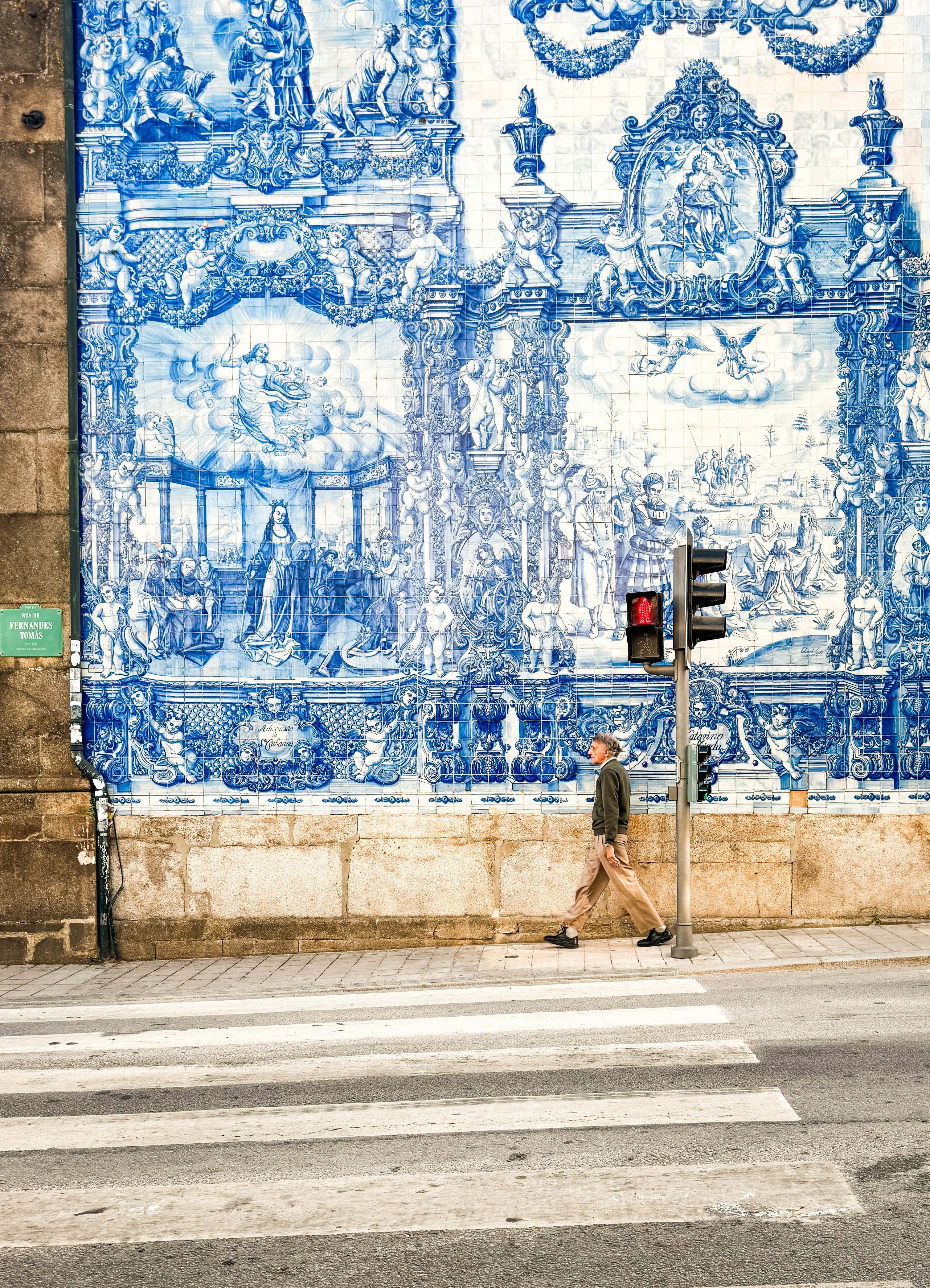
Supporting a real cultural project — heritage restoration, documentary production, artistic programming — does more than satisfy a qualifying act. It can read as an early expression of affiliation with the country itself. That gives the route a layer of legitimacy and emotional coherence that purely financial options simply don’t have.
And for immigration professionals, this changes the conversation. It changes how the route is presented, how it lands, how comfortably the client moves from curiosity to commitment.
More than philanthropy. Also more than immigration.
It would be wrong to present ARI Cultural as pure philanthropy. Clients are pursuing a residency outcome — that’s the goal, and pretending otherwise helps nobody. But it would also be wrong to reduce the route to a technical immigration purchase. Its strength is in the combination: residency in Portugal through a contribution that has a public-facing mission and a tangible cultural purpose.
That’s a stronger narrative than any purely administrative or purely financial mechanism. And it shows up in the moments that matter — due-diligence conversations, family discussions, the client’s own reflection on why they’re doing this and why they’re doing it here.
Why this route is gaining real traction
Several things are converging at once. Portugal remains one of the most attractive residence jurisdictions in Europe. The real-estate route is gone. Funds are well known but expensive, and they aren’t always aligned with a residence-led client. Demand has shifted toward structures that are transparent, lower-ticket, and easier to explain.
At Cascais Ventures we see this convergence from a particular vantage point. We structure the cultural projects that qualify under the route — working with foundations, producers, and institutional sponsors to build initiatives that meet the programme’s requirements and deliver real cultural value. That experience has given us a clear view of why the route works, and why it’s now ready for mainstream professional attention.
ARI Cultural sits squarely at the intersection of accessibility, credibility, and purpose. For immigration professionals, it deserves to be treated as a route that — for many of today’s clients — simply makes more sense than the alternatives.
Decree-Law no. 14/2021, as amended. The ARI Cultural route falls within Article 3(1)(d) of the legal framework governing residence permits for investment activity. ↩︎
The low-density territory designation applies to municipalities classified under Portaria no. 208/2017. The 20% reduction brings the qualifying amount to €200,000 in those areas, which include significant cultural heritage regions. ↩︎
ARI applicants must spend a minimum of seven days in Portugal during the first year and fourteen days in each subsequent two-year period — among the lowest physical-presence requirements of any European residency-by-investment programme. ↩︎